The 3–3–3 Rule for Newly Adopted or Rescued Dogs 🐶

The 3–3–3 Rule for Newly Adopted or Rescued Dogs 🐶

The 3–3–3 Rule for Newly Adopted or Rescued Dogs 🐶

When a dog moves into a new home, everything is unfamiliar—new smells, people, routines, and expectations. The 3–3–3 rule is a simple guideline that describes how many dogs typically adjust over time.

Think of it as three phases of settling in.


First 3 Days — “Overwhelmed & Decompressing”

https://s.yimg.com/ny/api/res/1.2/MX7AAVqO2_DzTN4MaIl9tQ--/YXBwaWQ9aGlnaGxhbmRlcjt3PTY0MDtoPTM2MA--/https%3A//media.zenfs.com/en/aol_dog_time_446/dc68199fc2f822b540b274e0a9ca8696
https://assets3.thrillist.com/v1/image/3202609/533x639/scale%3Bwebp%3Dauto%3Bjpeg_quality%3D60.jpg
https://www.preventivevet.com/hs-fs/hubfs/does%20my%20dog%20love%20me%20-%20canva%20600.jpg?height=300&name=does+my+dog+love+me+-+canva+600.jpg&width=600

During the first few days, many dogs feel stressed or unsure.

Common behaviors:

  • Hiding or staying quiet

  • Sleeping a lot or seeming withdrawn

  • Not eating much

  • Being anxious or clingy

  • Testing boundaries a little

Helpful things you can do:

  • Keep the environment calm and predictable

  • Give them a safe space (crate, bed, quiet room)

  • Avoid overwhelming them with visitors

  • Start a simple routine (walks, meals, bedtime)

The goal: let them decompress.


First 3 Weeks — “Learning the Routine”

https://s.yimg.com/ny/api/res/1.2/.6GFquFFHz3tu_GniMU4gA--/YXBwaWQ9aGlnaGxhbmRlcjt3PTIwNDg7aD0xMTUyO2NmPXdlYnA-/https%3A//media.zenfs.com/en/dog_time_927/1260236e61fd62c31de51de2e49f7ccb
https://cdn.shopify.com/s/files/1/0086/6320/3921/files/dog-jogging-with-owner-on-leash.webp?v=1758554673
https://assets3.thrillist.com/v1/image/3204846/792x594/scale%3Bwebp%3Dauto%3Bjpeg_quality%3D60.jpg

Now the dog begins to realize this might actually be home.

You might notice:

  • Personality starting to show

  • Increased energy or playfulness

  • Testing rules and boundaries

  • Beginning to bond with family members

  • Improving appetite and sleep

Helpful things to focus on:

  • Consistent feeding and walking schedule

  • Gentle training basics (sit, name recognition)

  • Positive reinforcement

  • Continue limiting chaos while they adjust

This stage is where trust starts forming.


First 3 Months — “Feeling at Home”

https://images.openai.com/static-rsc-3/GfLaxmuoxDGeFaUtcKCBQtvxIsXfWPo9TvIcD9xKZFLpwxdK6gwRioSGAUJcWHSMNT4w4fWjZoDAHsg6t7-DqzyZVH8SHZJVEVcA74GU2Hw?purpose=fullsize&v=1
https://www.dogbreedslist.info/stories-images/why-does-my-dog-sleep-belly-up-800x450.jpg
https://i.sleepopolis.com/251/253/232/0/Dog-Sleeping-Positions-1-340x1024.webp

By about three months, most dogs feel secure.

You may see:

  • Their true personality

  • Strong bonds with the family

  • Understanding of house rules

  • Comfort being alone for short periods

  • A sense of routine and confidence

This is when the dog typically fully settles into the household.


✅ Important:
The 3–3–3 rule is a guideline—not a strict timeline. Some dogs adjust faster, while others (especially those from tough backgrounds) might take longer.


💡 Quick tip most people miss:
Some dogs actually get more challenging around week 2–4 because they finally feel safe enough to test boundaries. That’s normal and usually a good sign.
Inquire Now

[wpforms id="102"]
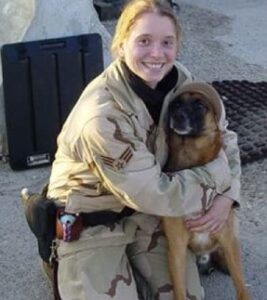
Picture of Meet Trish - owner/Head Trainer in Portland and surrounding areas
Meet Trish - owner/Head Trainer in Portland and surrounding areas

Trish brings a lot of dog training experience to Portland, Oregon! Trish spent twelve years of active duty in the United States Air Force, ten as a military working dog handler which included six different duty stations and two deployments. While at her home station, her and her (K9) partner would often times provide local law enforcement with back-up, supervise subordinates, and even assisted in Presidential event sweeps along with the US Secret Service. In her ten years of service, she had the opportunity to work with hundreds of different dogs.

Inquire Now

"*" indicates required fields

This field is for validation purposes and should be left unchanged.
Name*

Our Training Programs
Success Stories